Indoor air can look perfectly clean while carrying dust, fine particles, allergens, odors, and other unwanted pollutants. This is why air quality deserves attention even when a room appears tidy. As homes and workplaces become more enclosed and increasingly dependent on air conditioning, maintaining cleaner indoor air has become an important part of creating comfortable environments.
Choosing the right purifier, however, is not simply about buying a device and placing it in a room. The size of the space, pollution sources, occupancy, airflow, filtration technology, and intended use all influence the right solution. A well selected home air purifier can support cleaner air in living spaces, while larger environments may require equipment designed for continuous commercial operation.
Understanding What Indoor Air Contains
Indoor air can contain a mixture of particles and gases originating from both outside and inside a building. Dust, pollen, smoke, cooking emissions, cleaning products, pet-related particles, and outdoor pollution can enter or develop indoors.
Some pollutants are visible, such as settled dust, while others are too small to notice. Certain gases and odors can also remain in the air without obvious signs. This makes indoor air quality different from general cleanliness.
A purification system is therefore most useful when it is selected according to the types of pollutants likely to be present rather than based only on appearance or room aesthetics.
Matching Purification To Room Size
Room dimensions have a direct influence on purification performance. A compact purifier may work effectively in a bedroom or study but may not provide sufficient air treatment for a large open-plan area.
Before selecting equipment, consider the floor area, ceiling height, number of occupants, and how frequently doors and windows are opened. These factors affect how quickly pollutants enter and circulate.
The goal is to choose equipment capable of treating the available air consistently. Oversizing may increase energy consumption unnecessarily, while undersizing can limit the system’s ability to maintain desired air quality.
Looking Beyond Basic Particle Filtration
Particles are an important part of indoor pollution, but they are not the only concern. Depending on the environment, air may also contain microorganisms, odors, volatile compounds, and other gaseous pollutants.
This is where a broader purification approach can become useful. Different technologies may target different pollutant categories, allowing an air purification system to address more than visible or suspended particles.
For consumers comparing the best rated home air purifier, understanding the technology behind the ratings is more valuable than relying on popularity alone. A product should be evaluated according to what it is designed to remove and how well that capability matches the home’s actual needs.
Considering Daily Occupancy Patterns
A room used occasionally has different purification requirements from one occupied throughout the day. A family living room, for example, may experience changing pollution levels because of cooking, visitors, cleaning activities, and movement between indoor and outdoor spaces.
Bedrooms may have different requirements because they are occupied for several continuous hours. Offices can experience another pattern because numerous people share the same indoor environment.
Looking at when and how a space is used can help determine suitable operating capacity, placement, and runtime. This approach makes air purification more practical because it considers real indoor conditions rather than treating every room identically.
Evaluating Airflow And Circulation
A purifier needs access to the air that requires treatment. Placement can therefore influence how effectively a system performs.
Furniture, partitions, corners, and restricted airflow can affect circulation. In larger spaces, a single unit may not distribute purified air evenly if the layout contains multiple sections or enclosed areas.
Air movement should be considered alongside purification technology. Good circulation helps bring room air toward the purification system and allows treated air to move back into the occupied space.
For this reason, professional assessment can be valuable in offices, healthcare facilities, schools, industrial environments, and other larger settings.
Recognising The Needs Of Commercial Spaces
Commercial environments introduce additional challenges. Offices, retail areas, restaurants, clinics, educational facilities, and industrial premises may have higher occupancy and more varied sources of airborne pollutants.
A commercial air purifier is generally designed with the demands of larger or continuously occupied environments in mind. Capacity, operating duration, maintenance requirements, noise levels, and integration with existing ventilation systems can all become important considerations.
Commercial purification should also account for the nature of the activity taking place inside the building. A healthcare setting, for example, may have different requirements from an office or manufacturing facility.
Comparing Maintenance And Operating Needs
Buying a purifier is only the beginning of maintaining an air treatment system. Filters and other components may require inspection, cleaning, replacement, or servicing depending on the technology and operating conditions.
Ignoring maintenance can affect performance over time. Dust accumulation, saturated filters, or poorly maintained components may reduce airflow and purification efficiency.
Before purchasing, users should understand the expected maintenance schedule, replacement requirements, operating costs, and availability of service support. These practical factors can have a significant impact on the long-term value of the equipment.
Using Air Quality Monitoring For Better Decisions
Air quality monitors can provide useful information about changing indoor conditions. Instead of relying entirely on assumptions, occupants can observe indicators such as particulate levels and use the information to understand how indoor activities affect air quality.
For example, readings may change during cooking, cleaning, periods of high occupancy, or when outdoor pollution enters through open windows. Monitoring can therefore help users understand patterns and make more informed decisions about purifier operation.
In larger facilities, air quality data can also support building management by identifying areas that may need additional attention.
Conclusion
Cleaner indoor air begins with understanding what a space needs. Residential rooms may benefit from appropriately sized purification, while larger environments may require a commercial air purifier capable of handling greater occupancy, airflow demands, and varied pollution sources. Careful consideration of technology, room characteristics, monitoring, and maintenance can make the selection process far more effective.
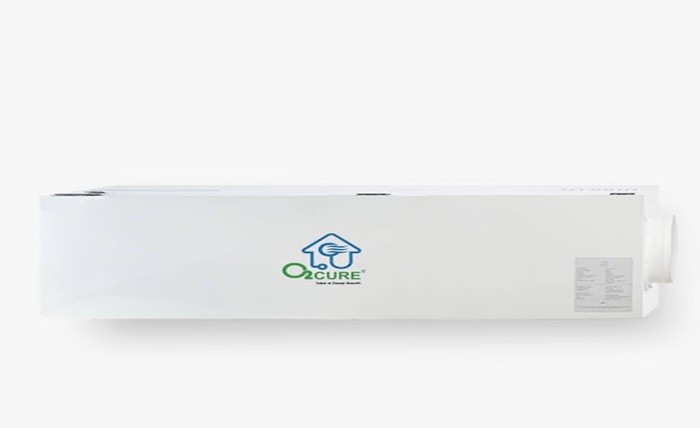
For those exploring professionally designed approaches to indoor air purification, O2Cure offers solutions suited to different environmental requirements, providing another option to consider when planning cleaner indoor spaces.